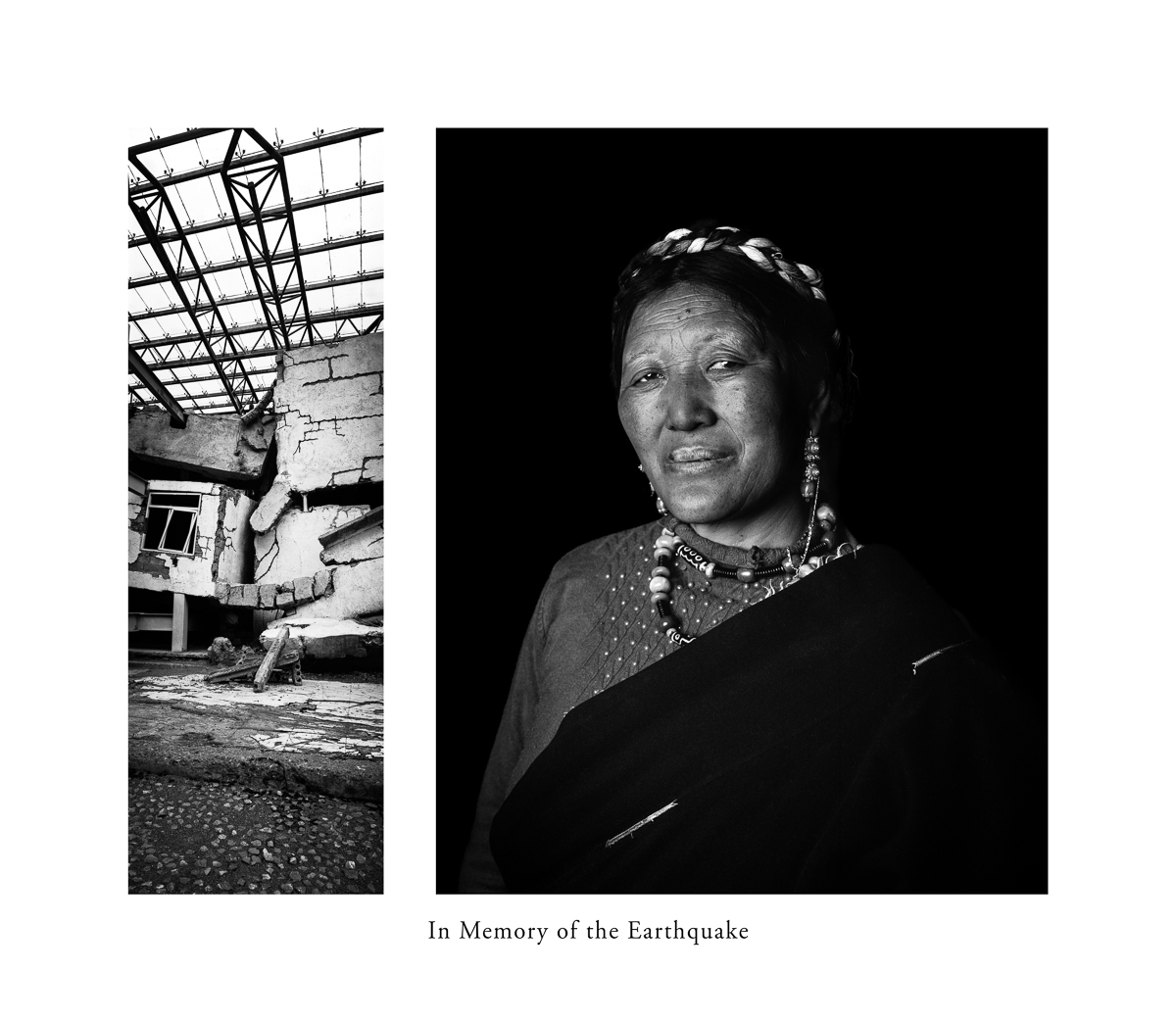
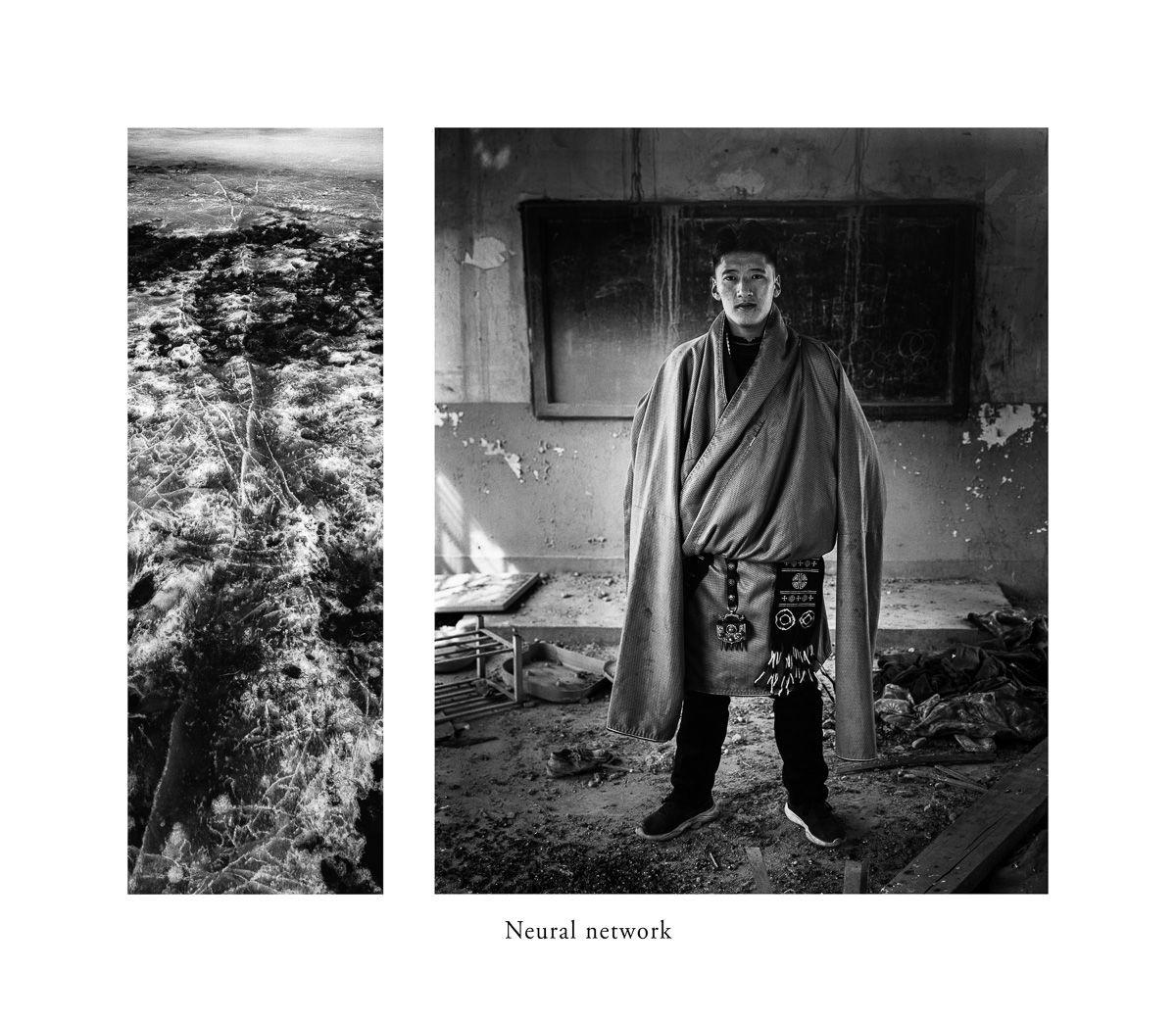
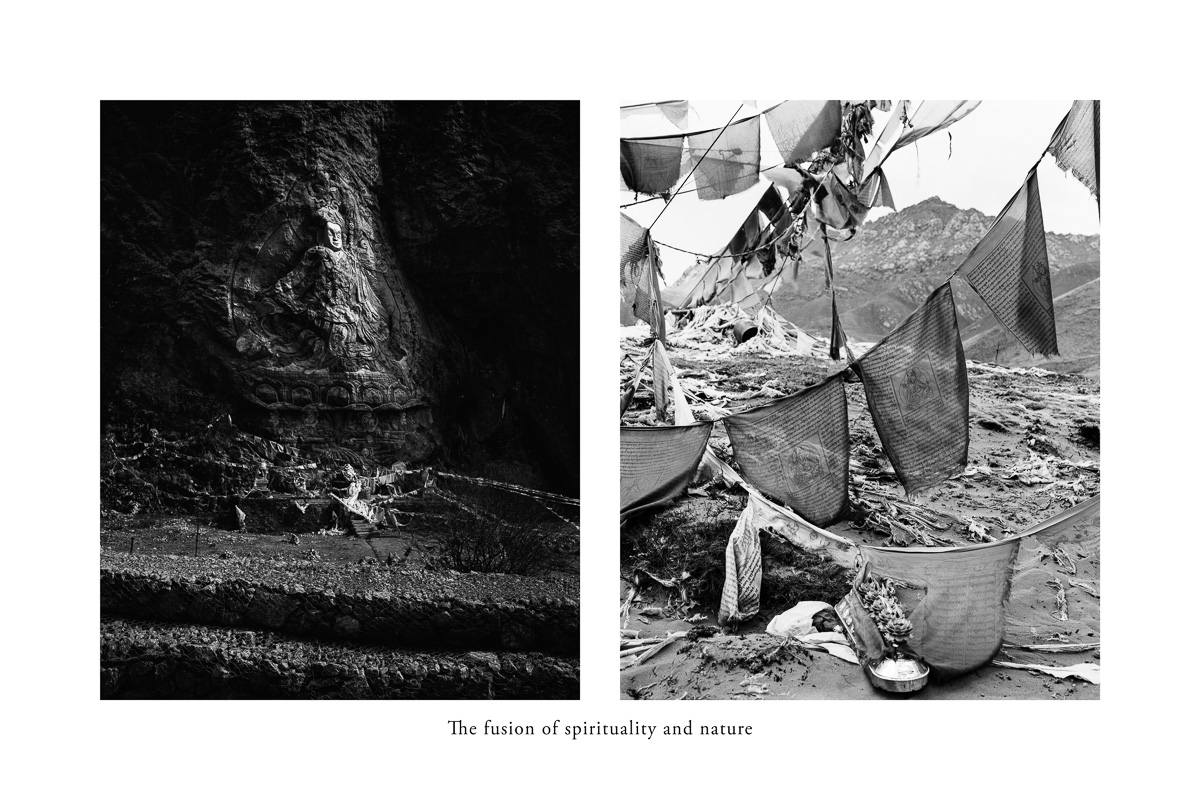
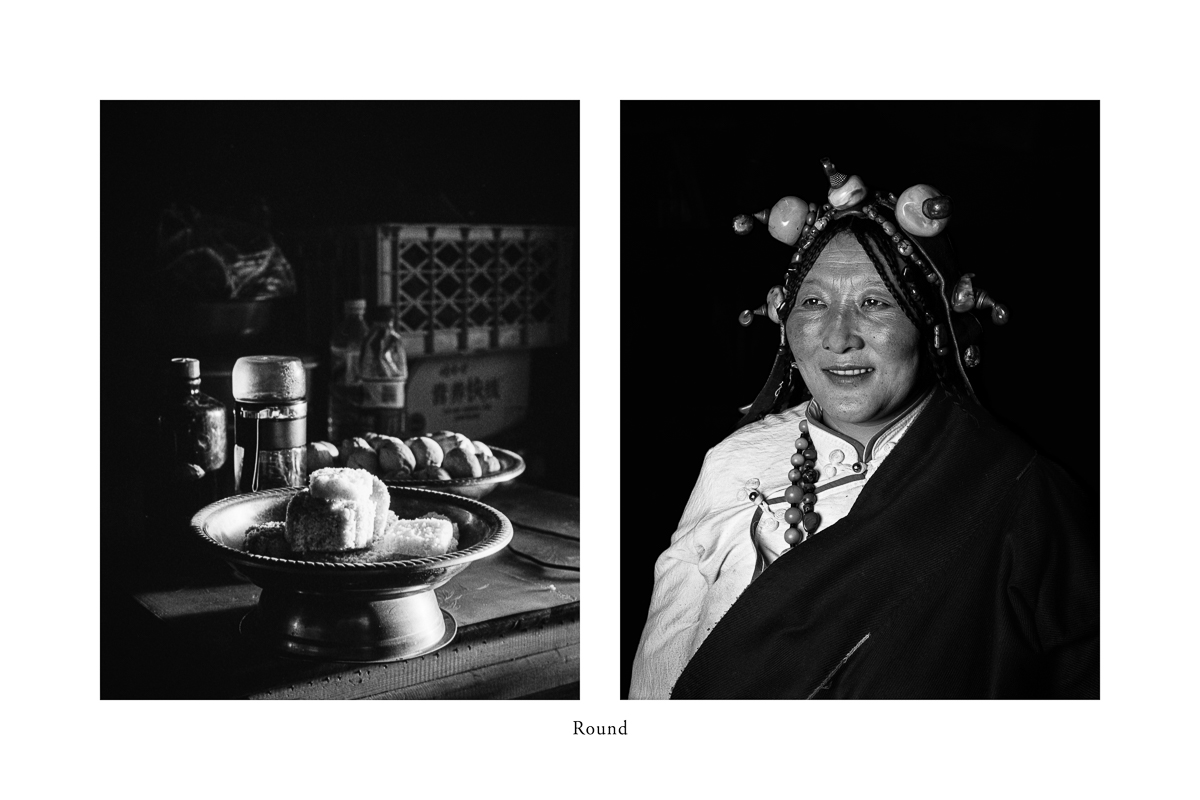
February 2026: I decided to return there in the depths of winter, during the period when the transhumance had come to a halt, a time when my host family settled down to face the extreme weather conditions. During my first exploratory visit, I had been struck by the profound symbiosis between many aspects of their natural environment and their gestures, attitudes, expressions and the clothes they wore. It was as if a sort of mental ‘camera obscura’ were constantly projecting onto them not only the present but also the past, such as the terrible earthquake of 14 April 2010.
On a plateau at an altitude of over 4,800 metres, a two-hour drive from Yushu, I am staying in a basic tent set up especially for my visit. In the morning, the thermometer often reads -24 °C. There are no toilet facilities; you have to make do in the open air between two walls of dried yak dung. Although I’m not ill, the effects of the altitude are very much in evidence: shortness of breath, loss of appetite and light sleep.
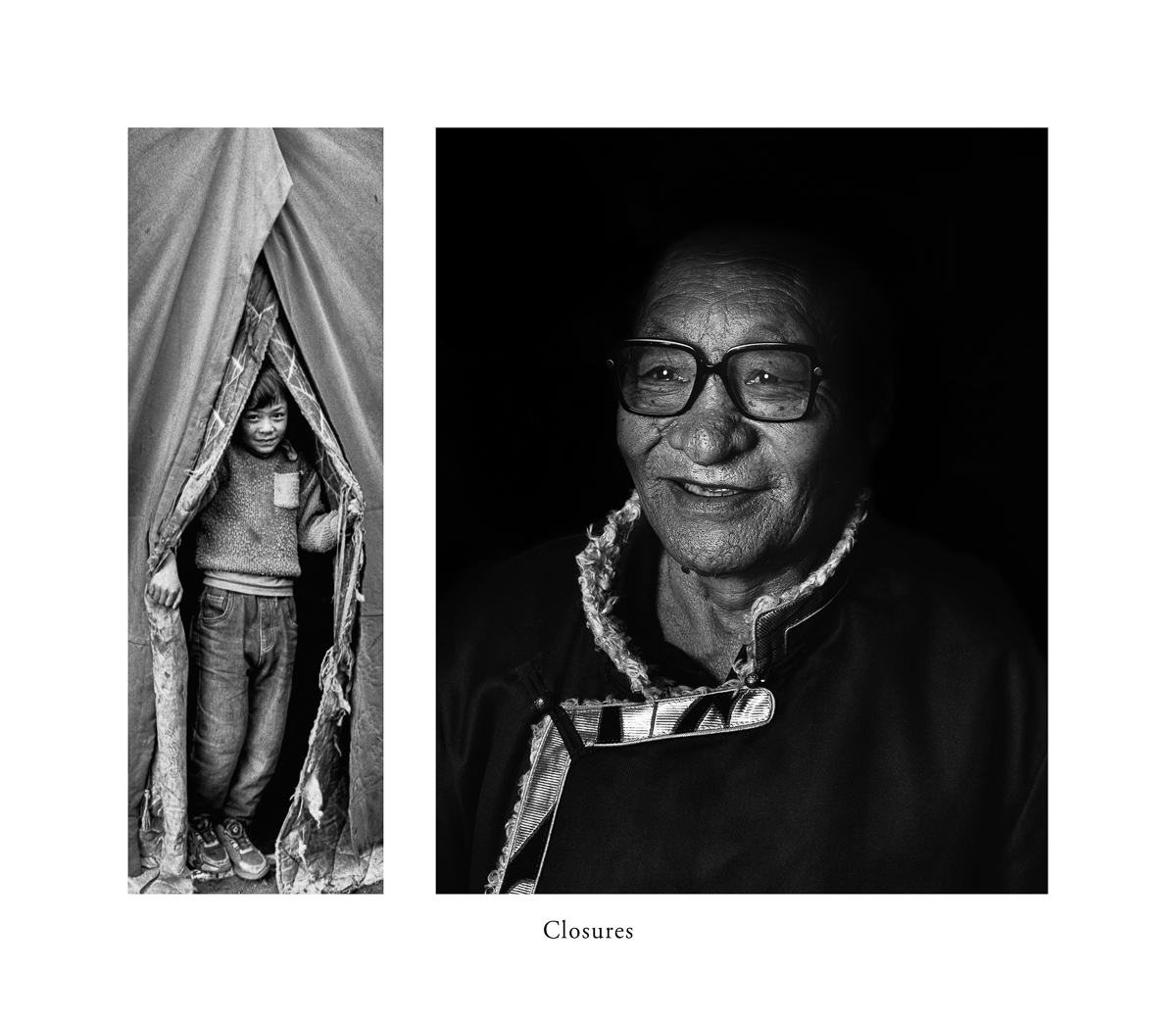
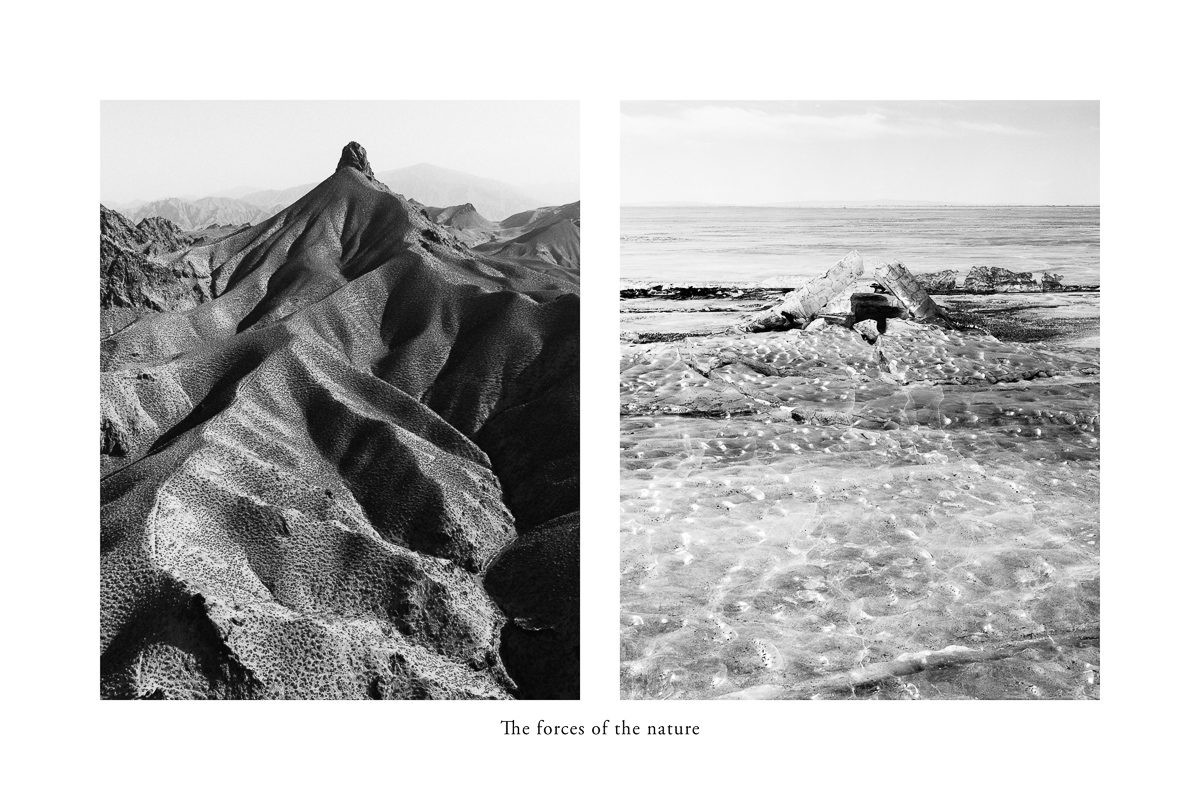
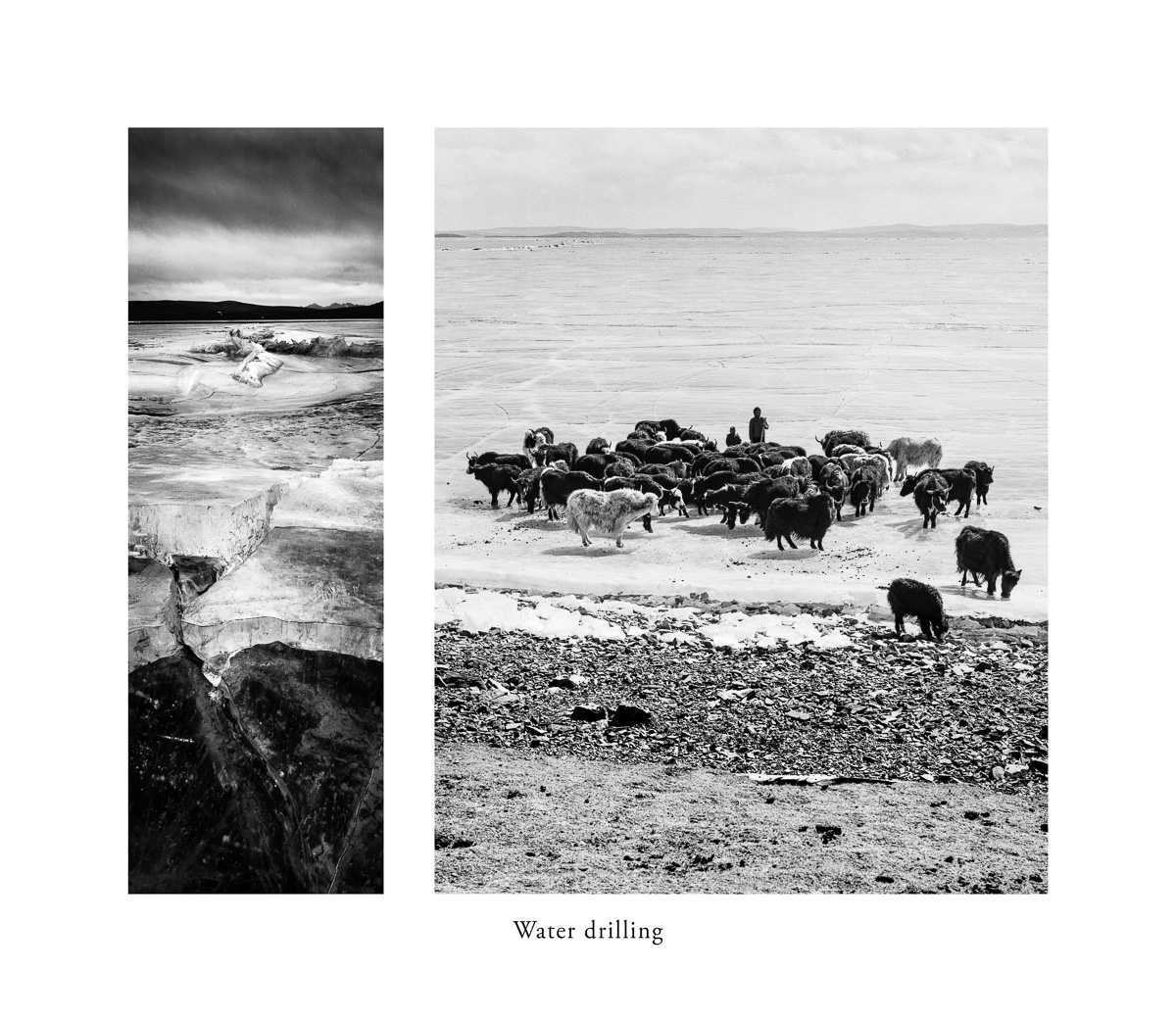
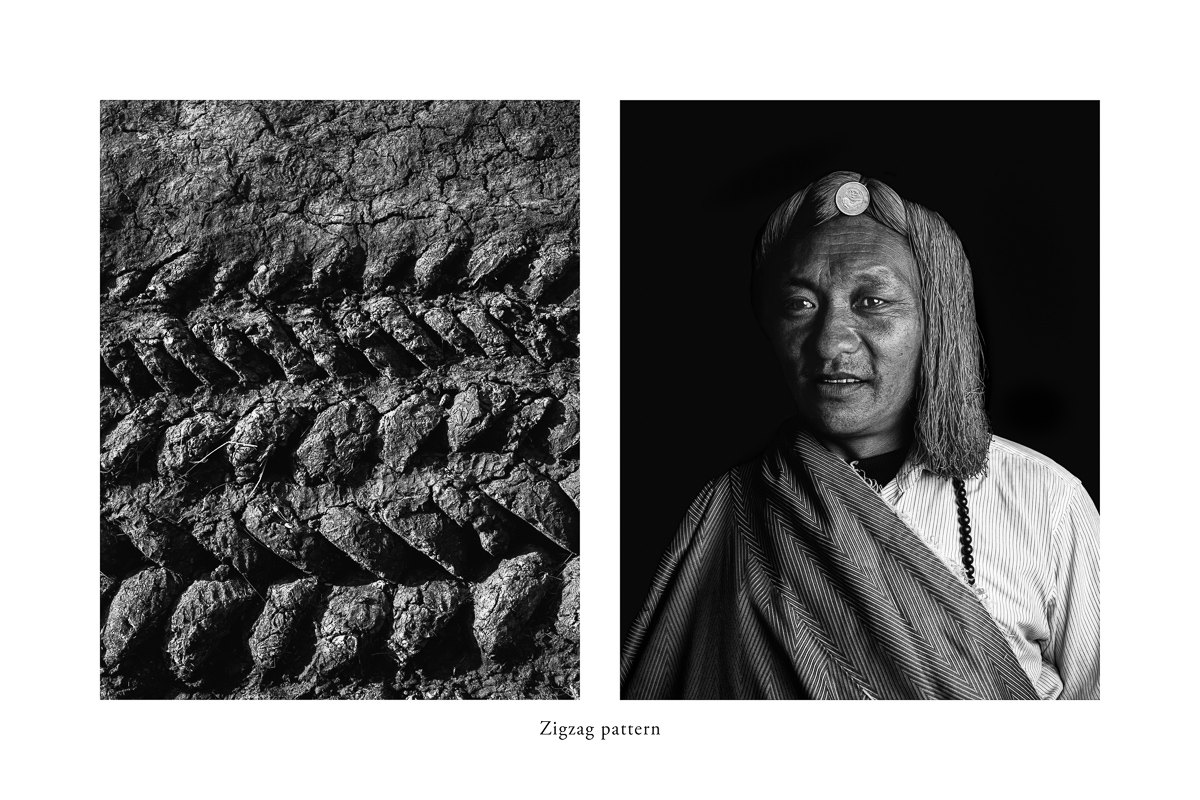
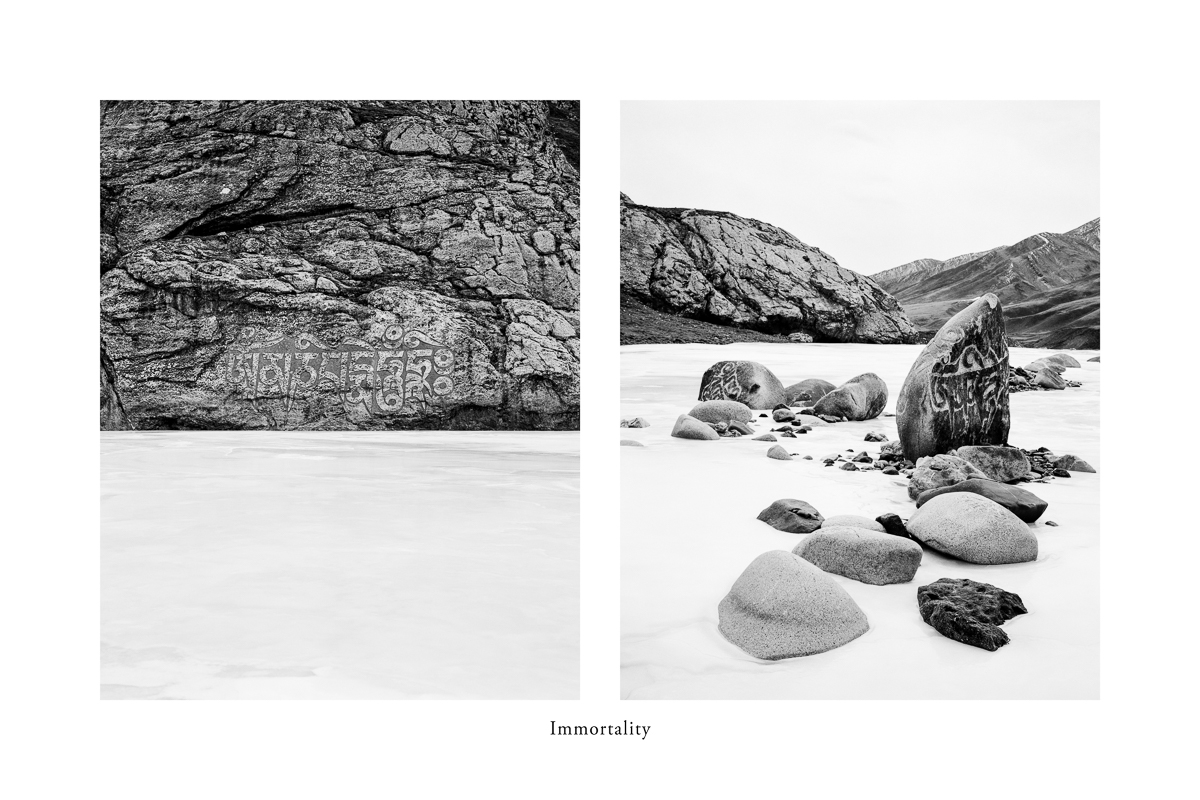
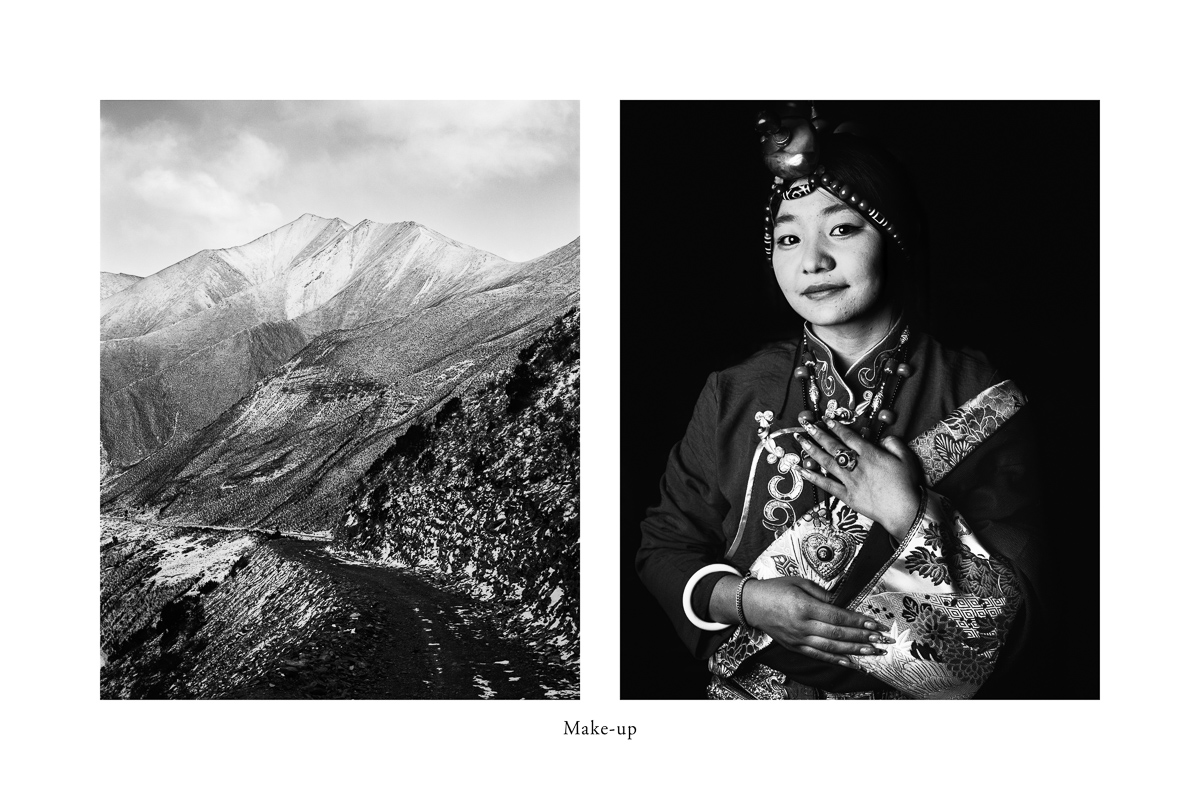
In the evening, sitting on a makeshift bed covered with thick blankets, I unload and reload my film frames inside my Harrison tent. My hands are numb, and I double-check everything to avoid making mistakes. I made a conscious decision to use black and white for this project. I wanted to make it as essential as possible, just like the life around me. I developed this series day by day in the form of diptychs, writing down in my notebook all the details and the meaning behind each shot I took. I wanted each photograph to enter into a ‘subtle resonance’ with the other when the project was finally edited. The portraits form the most important foundation of this resonance.
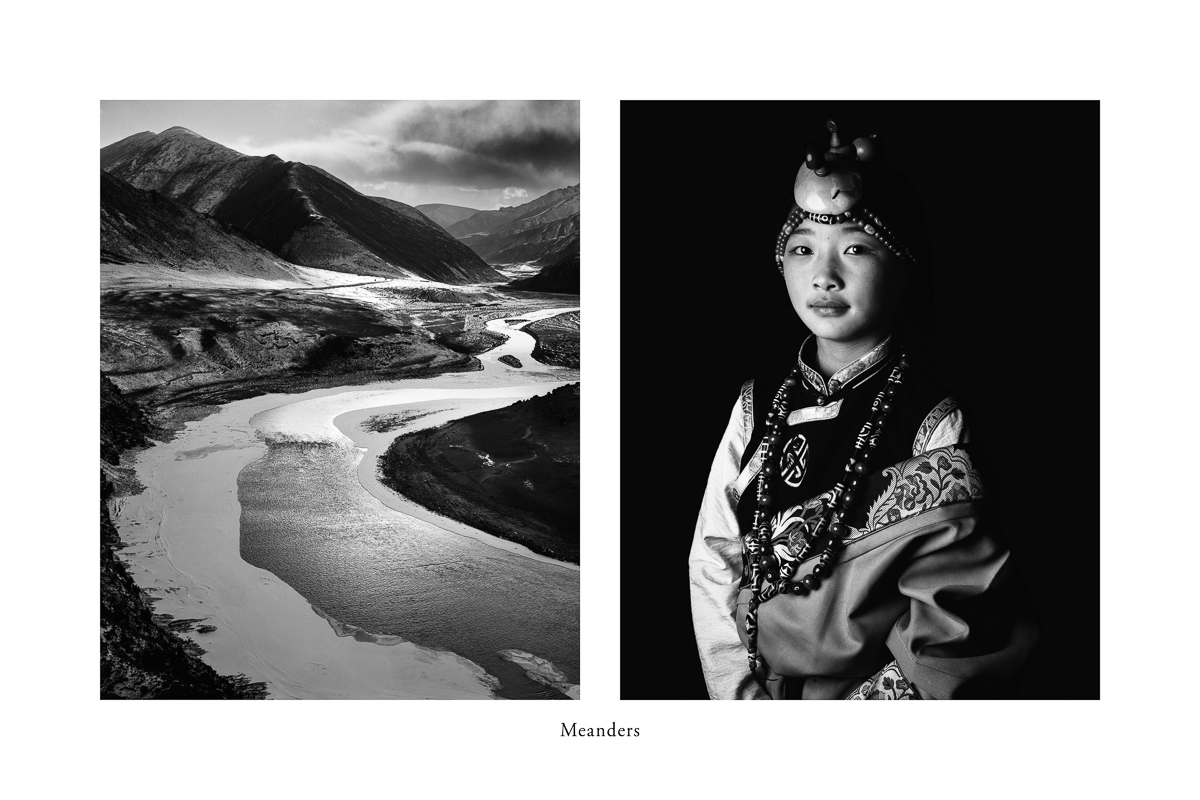
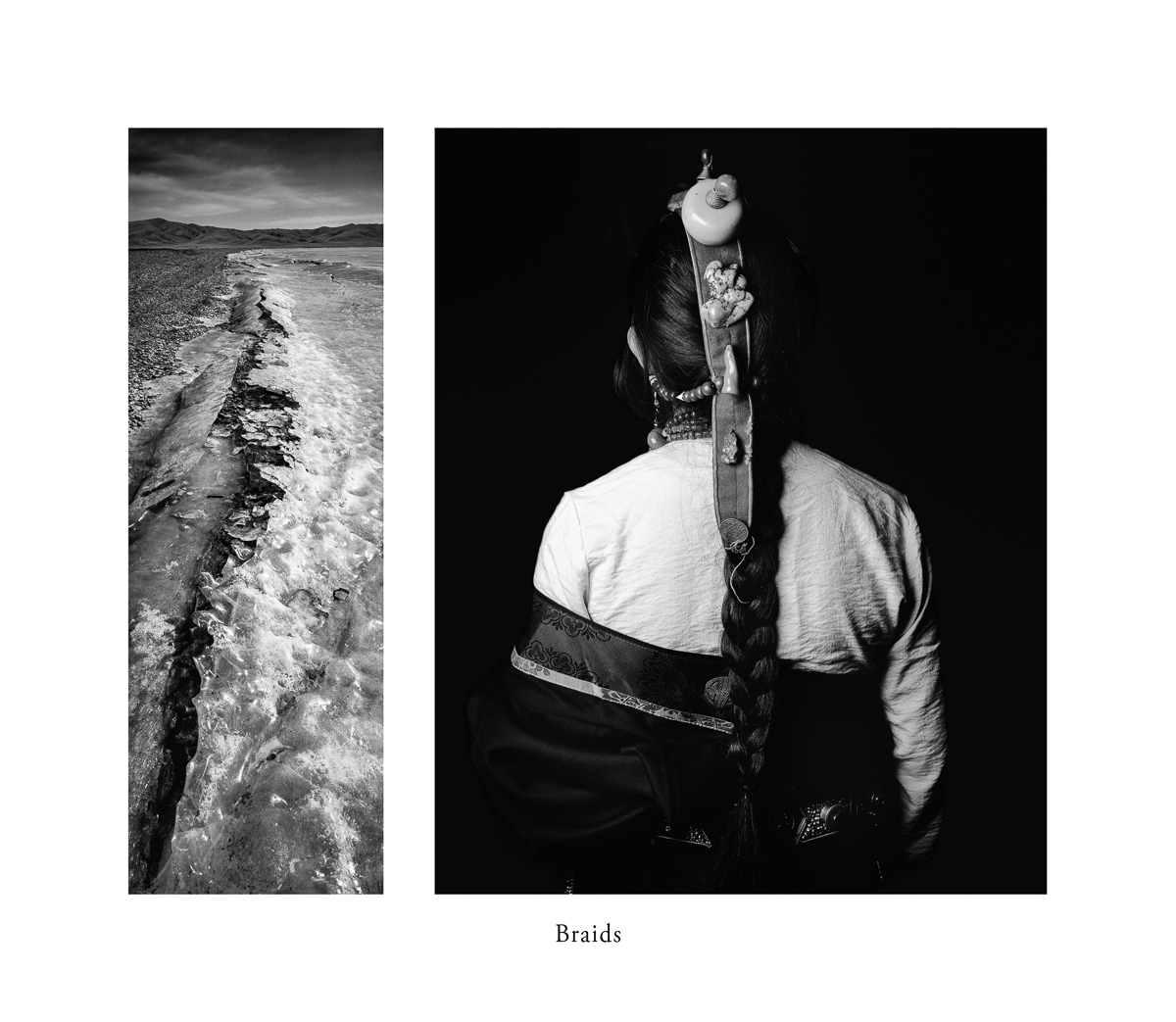
Still searching for that mental image in relation to the portraits I had taken, I also explored the landscape of this region of Qinghai: wind-swept frozen lakes, ice fractured like a natural neural network, mountains dusted with snow like the make-up of young girls, rivers forming endless loops like their traditional clothing. These were often physically demanding endeavours for me, as my red blood cell count is not what it is for the locals.
This concise series of twelve diptychs explores this symbiosis whilst depicting the natural environment in which the Khampa nomads live at this time of year. A world now under serious threat from the severe drought caused by climate change. Their nomadic way of life depends entirely on the amount of rain that crosses the Himalayan barrier, allowing the natural environment to regenerate.